
Feeling "All Over the Place"? You Might Just Be a Modern Polymath
We have all dreaded that simple dinner party question: "So, what do you do?"
For most of us, the answer feels complicated. Maybe you are a VP of Operations who also sits on a non-profit board. Maybe you are a tech founder secretly obsessed with classical music. Or perhaps a data scientist who paints on weekends.
In the corporate world, we are often taught to "niche down." We hide our "other" interests to appear focused. We fragment ourselves to fit into a clean, understandable box.
What if your "scattered" interests aren't a distraction? What if they are your competitive advantage?








The Experiment: Finding the Common Thread
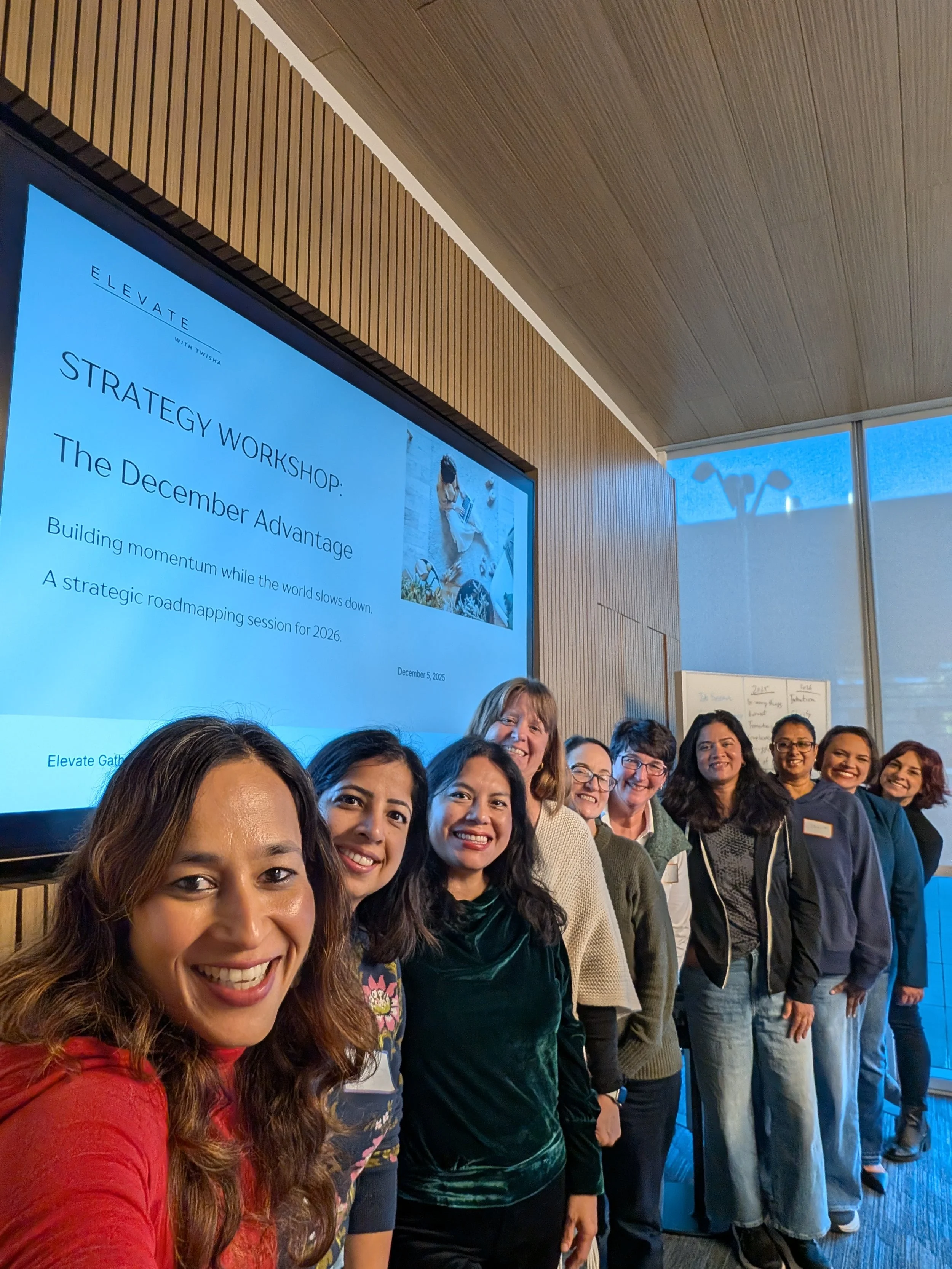
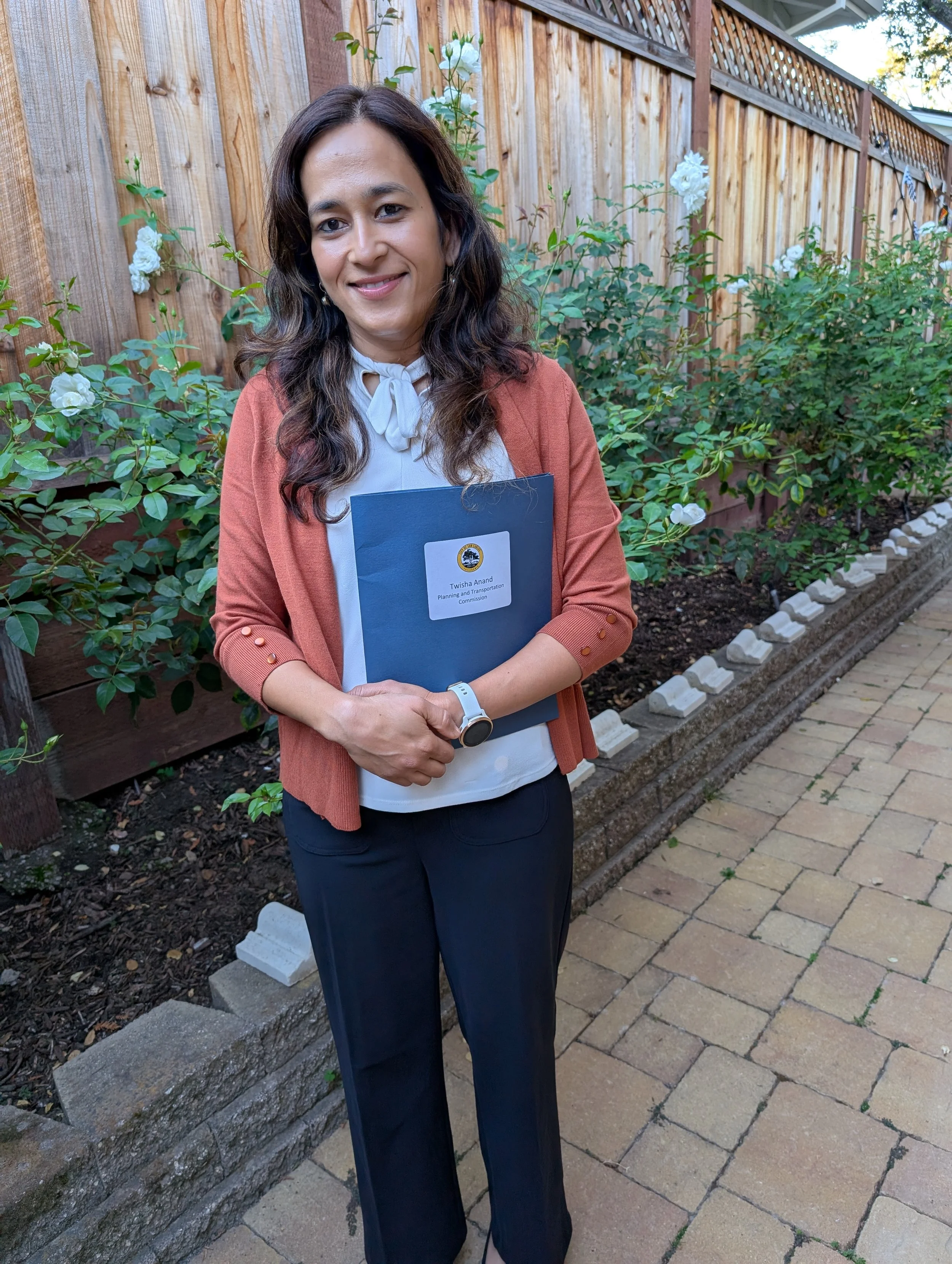
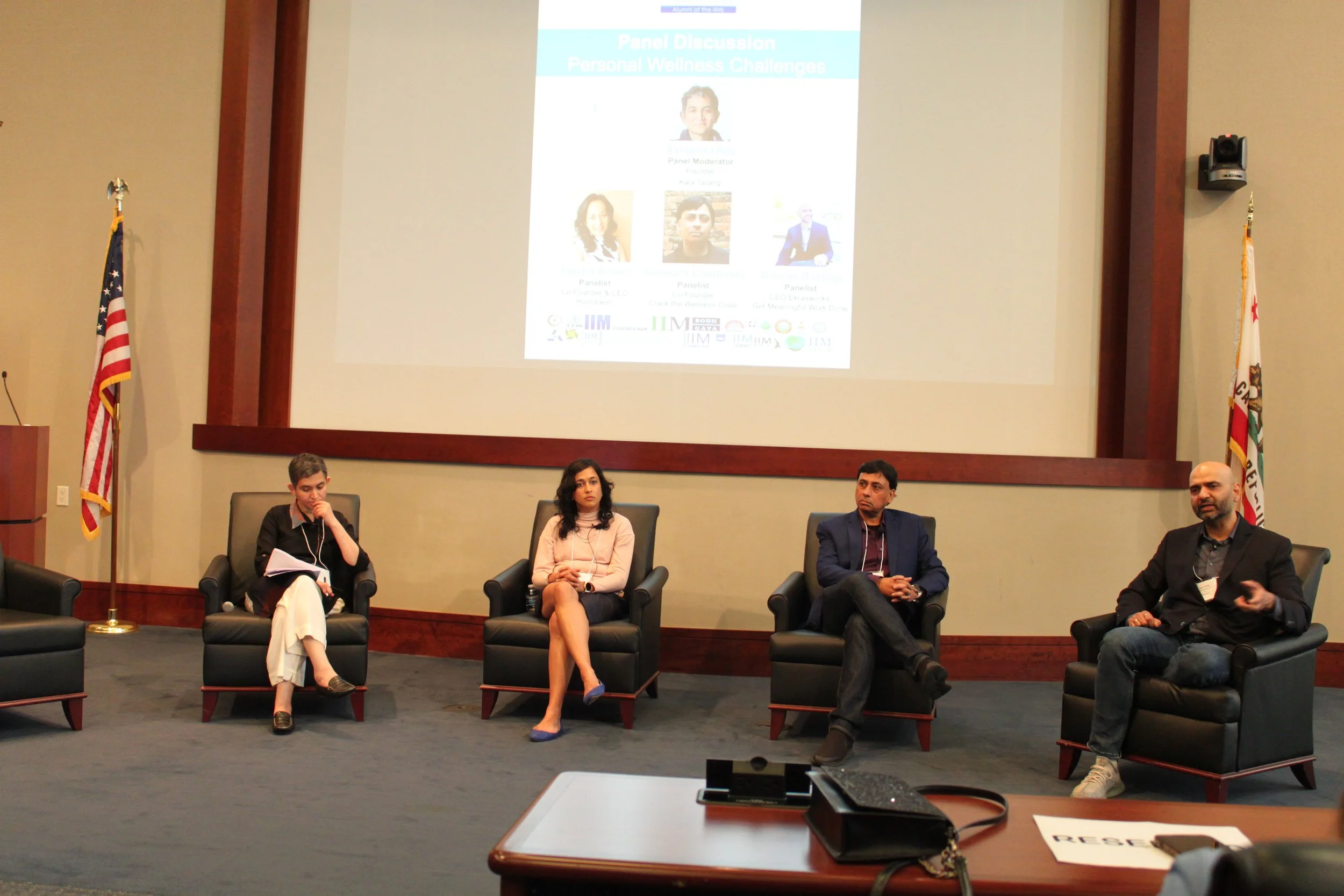
I recently struggled with this myself. Between my work in Organizational Behavior, my role as a City Commissioner, my background as a startup CEO, and my life as a classical artist, I sometimes felt like I was living four different lives.
So, I decided to use AI as a mirror. I didn't ask it to write my bio; I asked it to find the pattern.
I fed an advanced AI model all my different "selves" and asked it to identify the historical archetype that united them. The result surprised me. It didn't call me a "Generalist." It compared my profile to Benjamin Franklin—not because of the history books, but because he was a "Civic Polymath." He didn't see a separation between his scientific curiosity, his community service, and his business ventures. They were all engines for the same goal: Improvement.
Suddenly, my "fragmented" career didn't feel messy. It felt integrated.
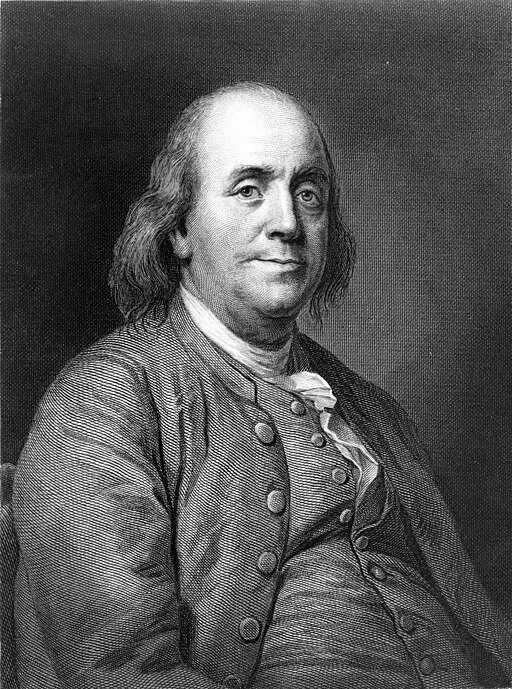
Portrait of Benjamin Franklin by Joseph Duplessis, Library of Congress LC-USZ62-25564
Why This Matters for You
In my coaching practice, I see so many leaders exhausting themselves trying to suppress parts of who they are.
The CEO who hides their empathy because they think it looks "soft."
The Creative who hides their strategic mind because they think it looks "boring."
The Organizational Behavior truth is simple: The most resilient systems—and the most impactful leaders—are diverse. When you bring your whole self to your role, you stop competing on "skills" (which can be replaced) and start leading with "perspective" (which cannot).
Try It Yourself: The "Archetype" Prompt

If you are feeling unmoored or struggle to explain your unique value proposition, try this experiment.
Copy and paste the prompt below into ChatGPT, Claude, or Gemini. It is designed to look past your job titles and find your core leadership DNA.
The Prompt: "I want you to act as a biographer and a leadership psychologist. Below is a list of my different roles, hobbies, and distinct interests:
1- [Insert Professional Role, e.g., VP of Sales]
2- [Insert Education/Training, e.g., Degree in Philosophy]
3- [Insert Side Project/Civic Role, e.g., PTA President]
4- [Insert Creative/Personal Passion, e.g., Marathon Runner or Baker]
Analyze this combination and do three things:
1- Identify the 'Golden Thread': What is the underlying psychological drive or value that connects all these seemingly different activities?
2- Find My Historical Mirror: Which famous historical figure or well-known archetype best embodies this specific combination of traits? (Think outside the box).
3- The Leadership Narrative: Write a 2-sentence 'Personal Statement' that explains how my diverse background makes me a uniquely effective leader today."
Moving From "Scattered" to "Strategic"
When you get your result, pay attention to how it feels. Does it give you permission to stop hiding parts of yourself?
My "Franklin" realization wasn't just an ego boost; it became a strategic filter. It reminded me that I don't just "fix teams" or "coach executives"—I help them architect ecosystems where performance and humanity co-exist.
That is the work I do at Elevate.
Whether you are a founder trying to scale without losing your soul, or a leader looking for your next act, you don't need to shrink to fit a role. You need to expand the role to fit you.
Let’s chat about building your story from your strengths.