
The Biological Cost of the Hustle: Give Your Career Strategy a Metabolic Reset
In honor of National Exercise Day (April 18), I am looking back at a paradox that nearly derailed my own performance.
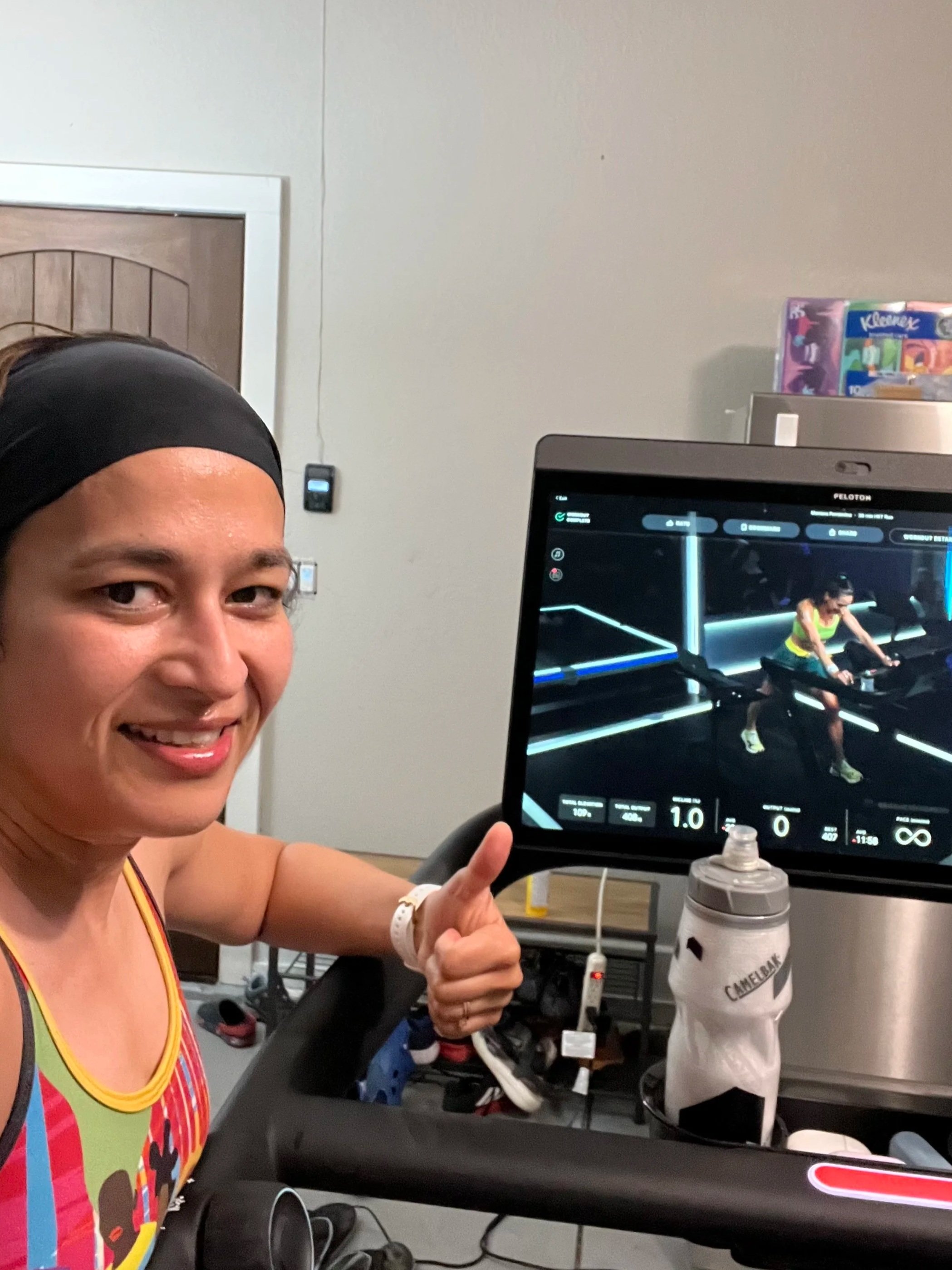
For four years, I operated on a traditional, reductionist health model: Calories In < Calories Out. I was an adrenaline addict. My mornings were a relentless cycle of HIIT, Tabata, and Power Zone rides. I viewed Yin yoga and low-impact endurance as "filler" activities—inefficient uses of time that didn't burn enough fuel to justify the slot on my calendar.
The result was a physiological wall. Despite the intensity, my weight increased, and I felt a persistent sense of "systemic bloat." My body wasn't just resisting the effort; it was actively protecting itself against it.
This January, I stopped fighting my biology and started studying it. By using AI as a research ally, I recalibrated my entire approach. I traded the high-intensity adrenaline spikes for heavy weight training, endurance walks, and restorative practices. The result? I am leaner, stronger, and more strategically aligned than I was during my years of maximum exertion.
This isn't just a fitness story. It is a blueprint for the mid-career slump. When we reach our 40s and 50s, the raw "hustle" that fueled our 20s starts to yield diminishing returns. If you are pushing harder but feeling less "fit" in your career, you aren't lacking discipline—you are suffering from Professional Metabolic Adaptation.
1. Escaping the Cortisol Trap: From HIIT to Strategic Strength
When we perform high-intensity workouts—or high-stress C-suite roles—without adequate recovery, the body stays in a state of chronic "fight or flight." This triggers a sustained release of cortisol, the primary stress hormone. While cortisol is necessary for immediate action, chronic elevation leads to systemic inflammation and "brain fog."
In the corporate world, many professionals treat their daily schedule like a perpetual HIIT session. They are addicted to the adrenaline of back-to-back meetings and urgent "fires." But chronic adrenaline is a poor substitute for strategic clarity.
The Recalibration: Just as I added weight training to build a higher metabolic baseline, you must add "Heavy Strategic Initiatives" to your professional load. These are the deep-work projects that require focused, low-cadence intensity. Stop the "cardio" of busy-work and start building the "muscle" of legacy knowledge that AI cannot replicate.
2. Beyond the "Negative Calorie" Resume: The STAR Achievement Model

The health world is obsessed with "Net Calories," just as the corporate world is obsessed with "Meeting OKRs." Both are superficial metrics. You can hit your OKRs every quarter and still be professionally invisible because you aren't adding texture to your role.
In 2026, a resume that reads like a job description is a liability. It signals that you are an executor, not a leader.
The Recalibration: Move to a STAR (Situation, Task, Action, Result) Achievement Model. Integrate your broader experiences—like roles on non-profit boards, passion pursuits, side projects—into your professional narrative. This creates a "holistic fitness" profile that proves you have the multi-dimensional capacity to lead through market volatility.
3. Optimizing the AI Feedback Loop: From Competitor to Ally
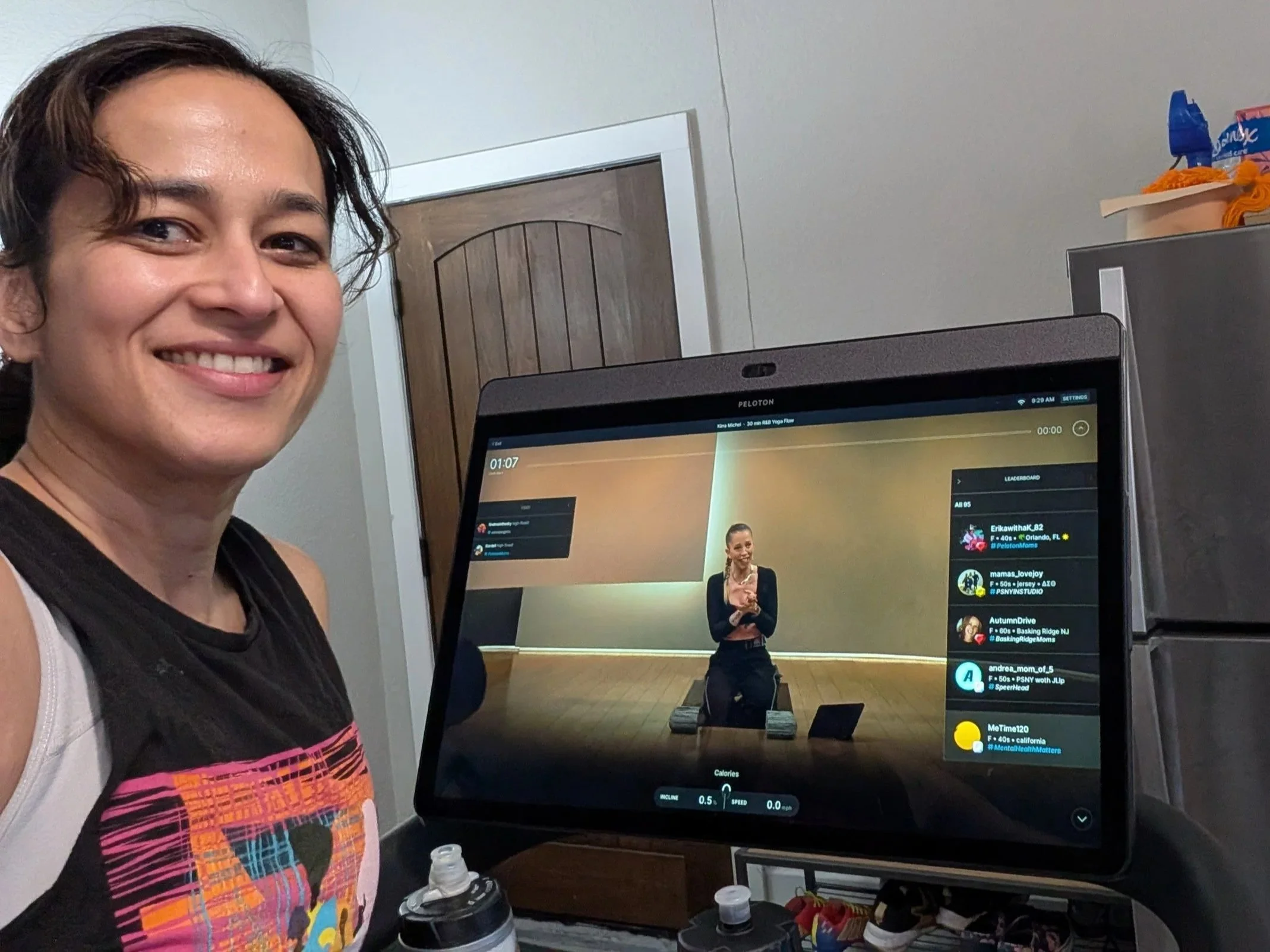
I use AI to audit my nutrition and biometric data daily. It helps me identify when my body is over-stressed before I even feel it. It isn't a replacement for my intuition; it is a high-resolution mirror.
Many professionals fear AI will replace them. In reality, AI is here to handle the "HIIT" of your job—the repetitive, high-volume tasks. This frees up your brain to produce serotonin and dopamine through creative problem-solving and high-trust human connection.
The Recalibration: Build proprietary workflows that use AI as a sounding board. Let the machine execute the "calories negative" tasks so you can focus on the Human Premium: empathy, nuanced judgment, and strategic influence.
4. The Mental Game: Performing in a Stress-Free State

Physical "bloating" is often just a symptom of a nervous system that feels under siege. The same is true for "organizational bloat." We perform our best when we are in a parasympathetic state—rested, focused, and strategically secure.
If you are facing a layoff or a plateau, the answer isn't to "run faster." It is to pause and look at what is working for your current physiology and the current market.
Your Professional Recalibration Starts Now
At Elevate, I apply these same behavioral and physiological insights to executive coaching. We don't just "find a job"; we architect a high-performance career that respects your legacy and leverages modern tools.
Whether you are looking to secure a $100k raise, navigate a career break, or pivot into a new industry, we move you from reactive execution to Strategic Authority.
Book a Strategy Audit with me to build your custom growth routine.