
From Kathak to K-Pop: Dance, Community, Connection, Confidence
This past Sunday, I took the stage at the San Mateo Arts and Culture Festival to perform Kathak, the Indian classical dance I've practiced for decades. As my feet moved through the intricate rhythms and my hands told stories through mudras, I wasn't just dancing—I was building bridges.
The performance ended with something unexpected: "Golden," the latest K-pop hit. The audience's surprise quickly turned to delight as they watched centuries-old classical technique reimagine contemporary pop culture.
This moment reminded me of something I see every day in my work with leaders and entrepreneurs: the most powerful connections happen when we honor tradition while speaking the language of our audience.
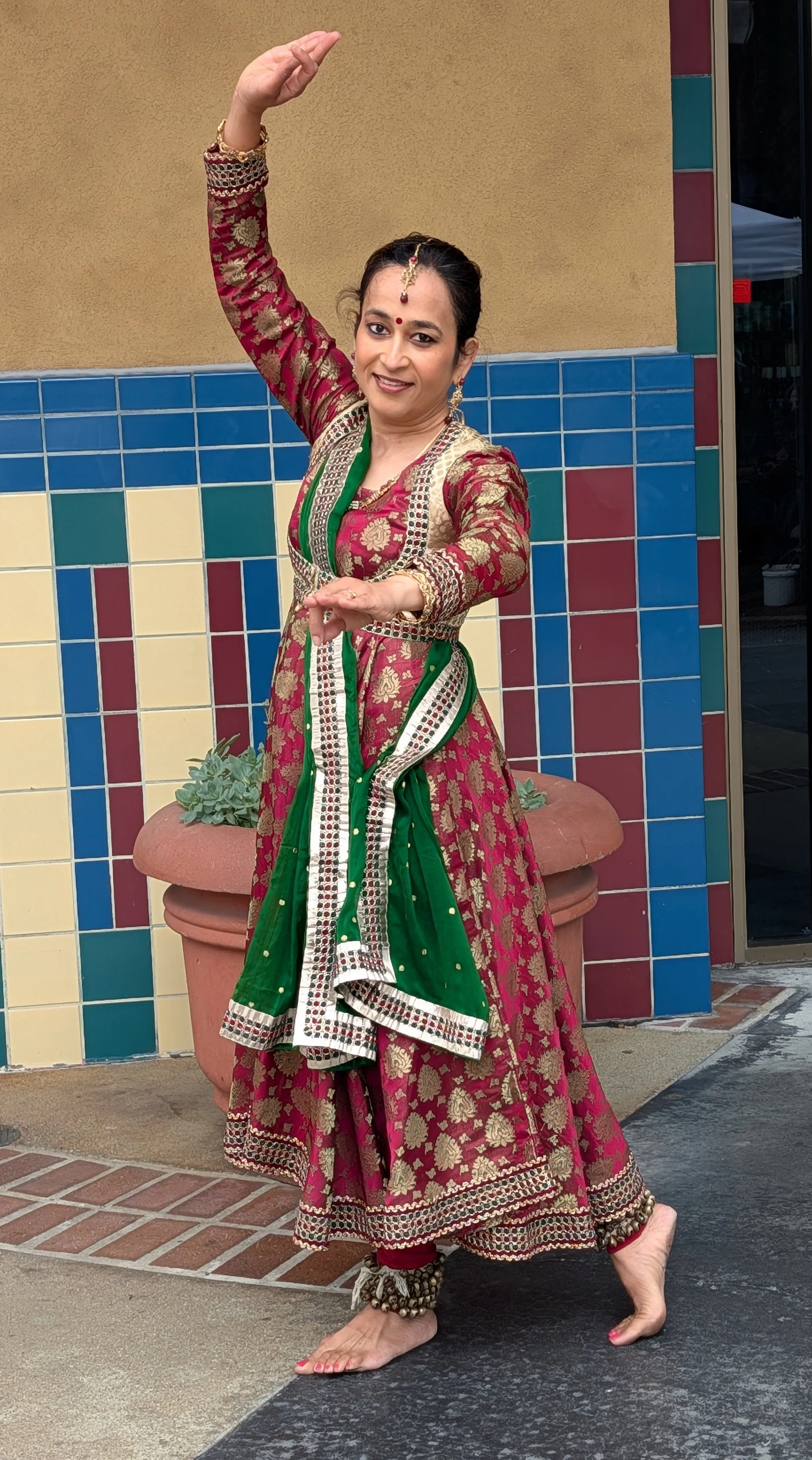
Confidence Is Built, Not Born
I hold a master's degree in both Kathak dance and Tabla instrumental. After hundreds of performances across the US and India, the stage has become my second home. No butterflies. Just genuine enjoyment of the microphone and the moment.
But here's what most people miss: this confidence wasn't born overnight. It came from showing up, again and again, even when my hands trembled and my feet forgot the patterns.
The lesson: Whether you're pitching to investors, leading a team meeting, or launching a venture, comfort comes from repetition. You don't need to feel brave before you start. You need to start before you feel brave.
Diversity Builds Stronger Communities
What made this festival particularly meaningful was its commitment to cultural exchange. The more cultures and customs we share with diverse audiences, the more we discover our similarities alongside our uniqueness. These discoveries create bonds that superficial networking never could.
The lesson: In increasingly global workplaces, understanding diverse perspectives isn't optional—it's strategic. The leaders who create the strongest teams actively seek to understand different cultural contexts and communication styles. Diversity isn't a checkbox; it's a competitive advantage.
Speak Your Audience's Language
Here's why I chose to end with "Golden": I wanted to meet my audience where they are.
The younger generation might not naturally gravitate toward traditional Kathak. But K-pop? That's their language. By translating ancient techniques into contemporary expression, I showed them that classical art isn't stuffy—it's versatile, dynamic, and alive.
The lesson: How often do we lose our audience because we're so attached to how we want to communicate that we forget to consider how they need to receive information?
I see this constantly with brilliant technical experts who struggle to gain buy-in. It's not that their ideas lack merit—it's that they're speaking in jargon when their audience needs clear, relatable language.
The best leaders can translate complex strategy into compelling narrative. They honor their expertise while meeting people where they are.
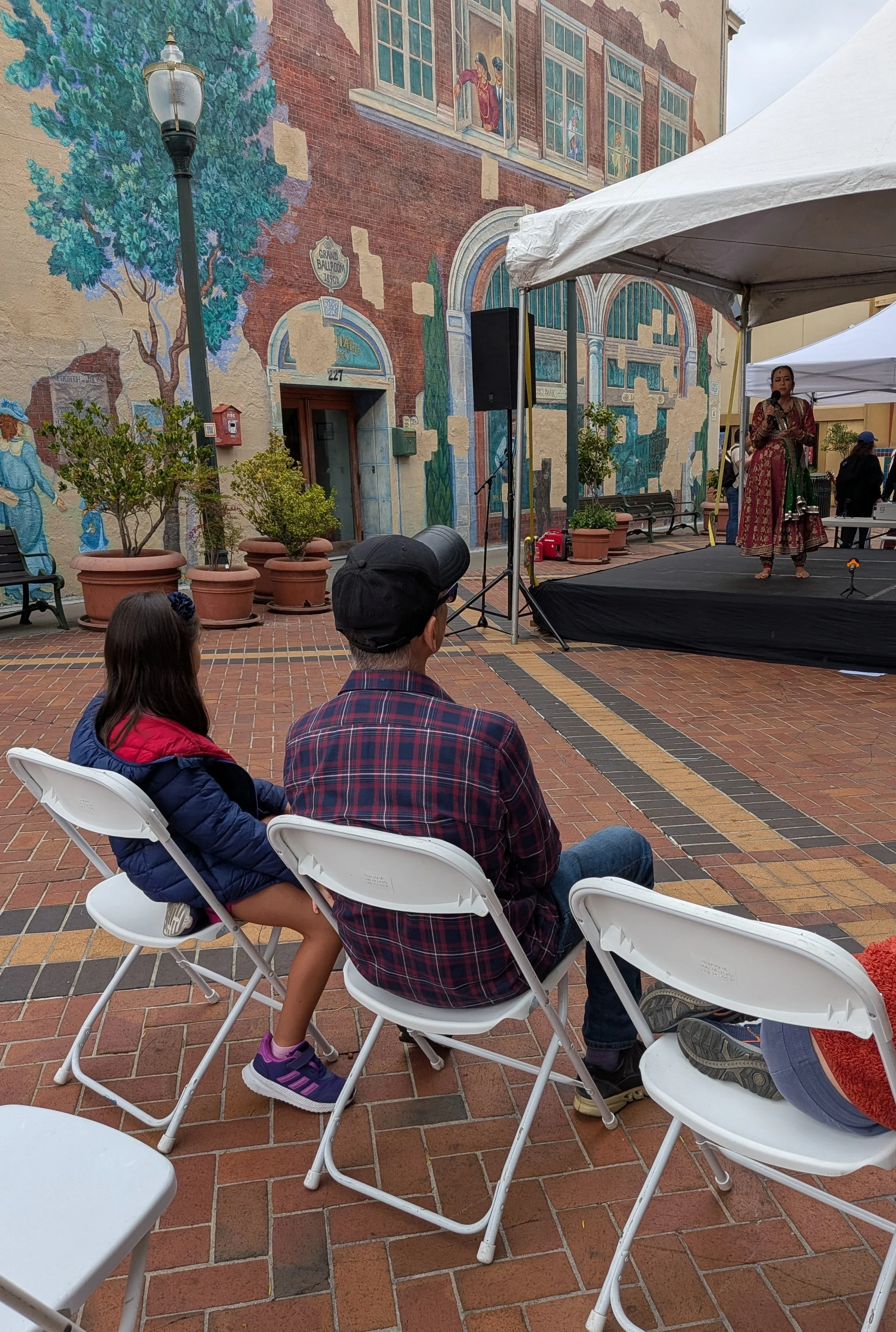
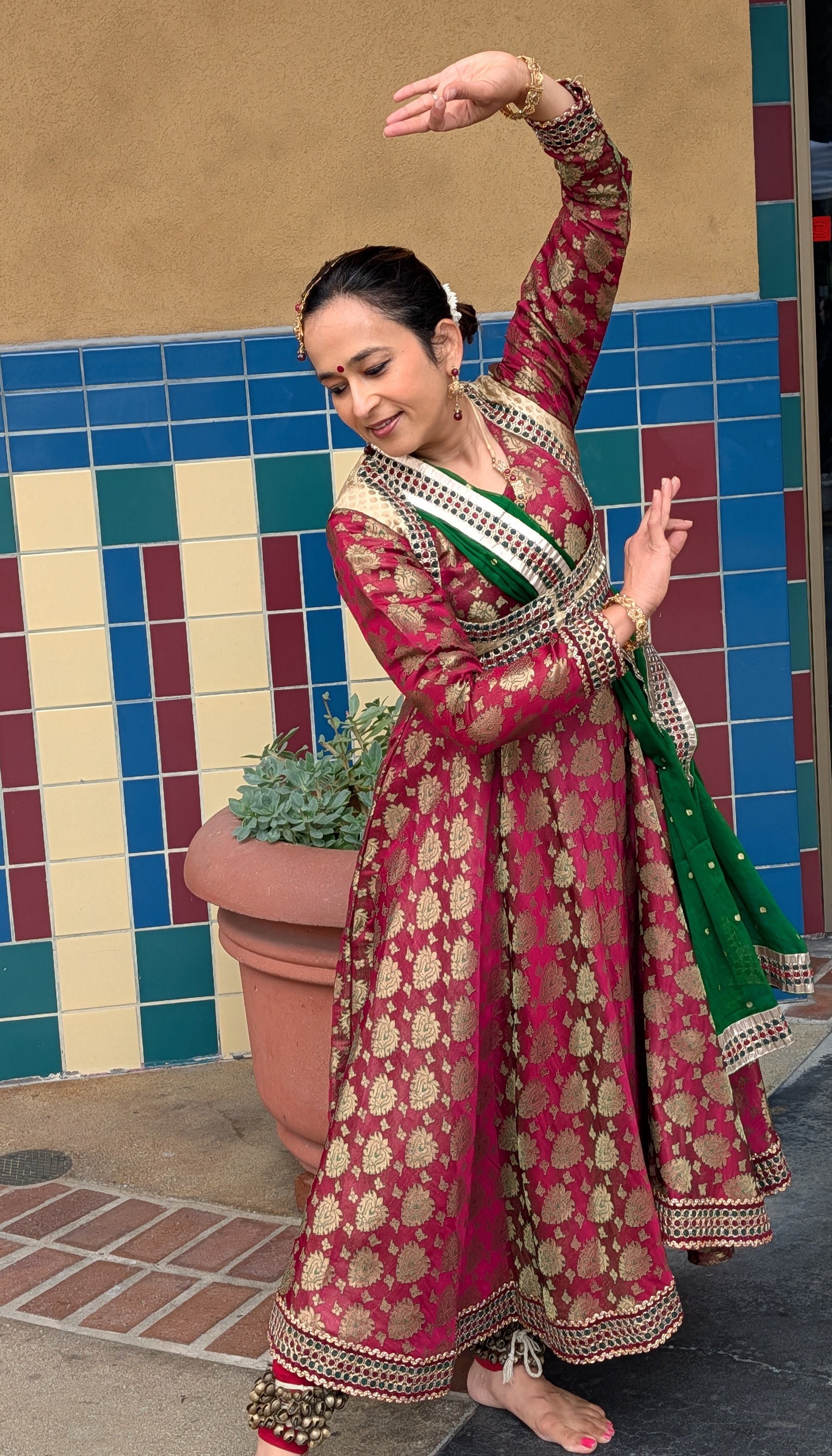
Innovation Honors Tradition
There's something profound about watching 2,000-year-old dance techniques bring new life to a 2024 pop song. Classical Kathak has survived centuries because it's fundamentally adaptable—rigorous in technique but endlessly creative in application.
The lesson: Your industry experience and established skills aren't anchors holding you back from innovation. They're the foundation that makes meaningful innovation possible.
I couldn't have performed "Golden" in Kathak style without decades of classical training. The contemporary expression only worked because it was rooted in ancient technique.
The most successful professionals I work with don't throw out everything they know to chase trends. They build on deep expertise while remaining curious about new applications.
From Performance to Presence
After the show, people asked: "How are you so comfortable on stage?"
The answer: I am not performing at people. I am connecting with them. When I dance, I am not thinking about whether I'll remember the next sequence. I am focused on the story I am telling and the connection I am creating.
This shift from self-focus to audience-focus is what transforms stage presence into genuine leadership presence.
The lesson: The leaders who inspire aren't those who command attention through force alone. They're the ones who make others feel seen, understood, and valued.
When you're leading a meeting or building a business, ask yourself: Am I performing at my audience, or am I connecting with them?
Build Bridges, Not Just Platforms
That Sunday performance wasn't about showcasing my skills. It was about building bridges—between cultures, between generations, between ancient and contemporary.
In your business and leadership, you're not just building a platform for yourself. You're building bridges for others to cross, creating connections that didn't exist before, translating expertise into impact.
The world doesn't need more people shouting credentials from stages. It needs more people willing to learn the language of their audience, honor diverse perspectives, and find creative ways to make timeless wisdom accessible to contemporary challenges.
Whether you're dancing Kathak or leading a startup: Practice builds confidence. Diversity creates strength. Translation enables connection. And innovation honors tradition while embracing evolution.
If you're navigating a transition where you need to reimagine your skills for a new audience or context, let's talk about how to honor your foundation while creating contemporary impact. Schedule a conversation.