
The Founder’s Reset: 4 Lessons in Execution Speed and Market Readiness from a 10-Day Startup Sprint
In the corporate world, we often let "process" become the enemy of "progress." We over-analyze, we over-scope, and we accumulate what I call Decision Debt.
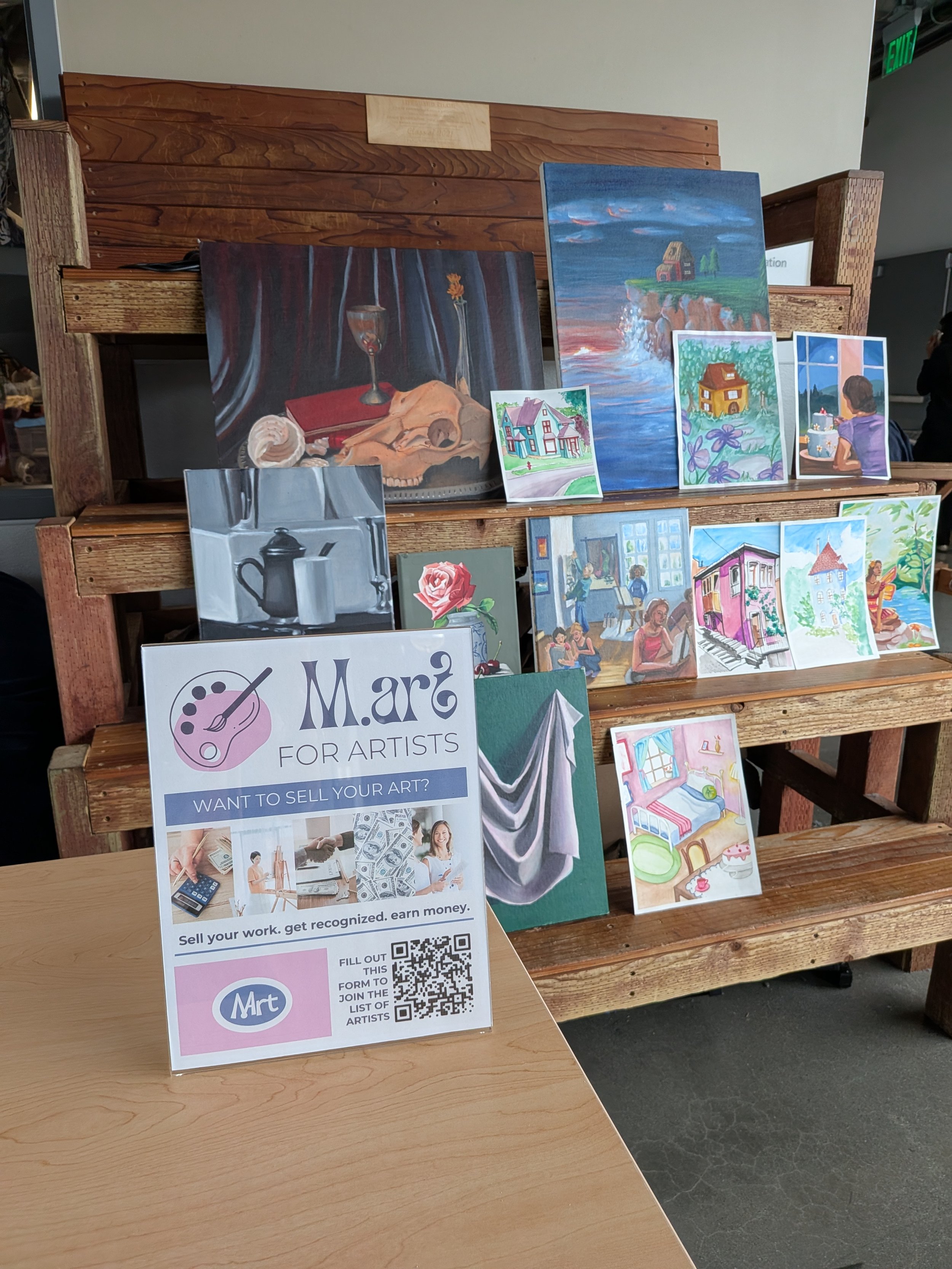
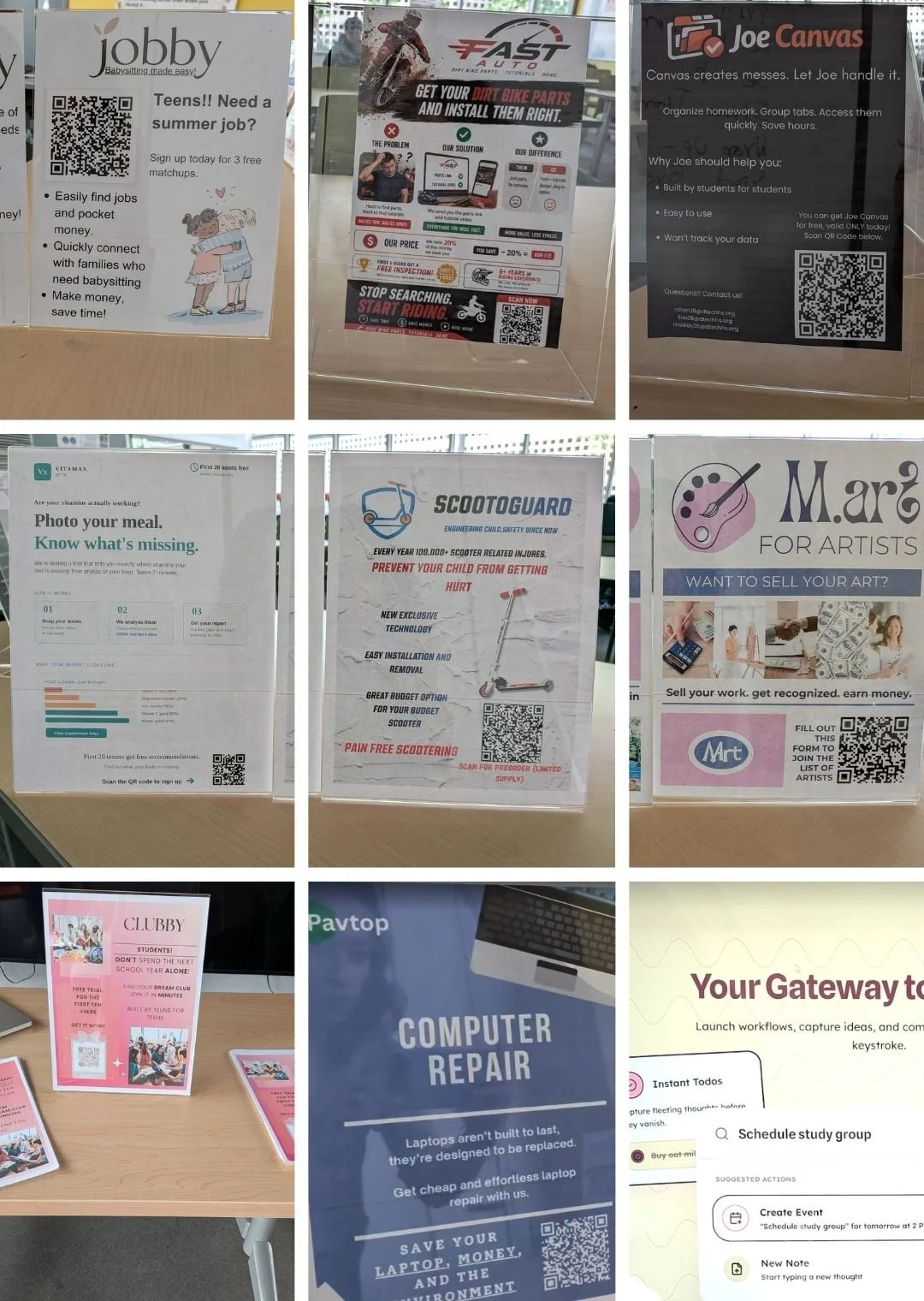
I recently stepped away from my C-suite consulting and board duties to teach a high-intensity two-week intersession program at d.tech (Design Tech High School) titled "The Side Hustle Sprint: Build & Launch Your Own Micro-Venture." My goal was to see if I could scale my 14 years of founder experience into a new generation of entrepreneurs in just 10 days. The result? Ten viable ventures launched, real customer orders secured, and a profound realization: Most adult leaders are moving too slowly because they’ve forgotten how to "Sprint."
If your current business growth feels sluggish, here are the four takeaways from the trenches of this 10-day accelerator that you can apply to your own workflow today.
1. Revisit the "Hacker, Hipster, Hustler" Framework
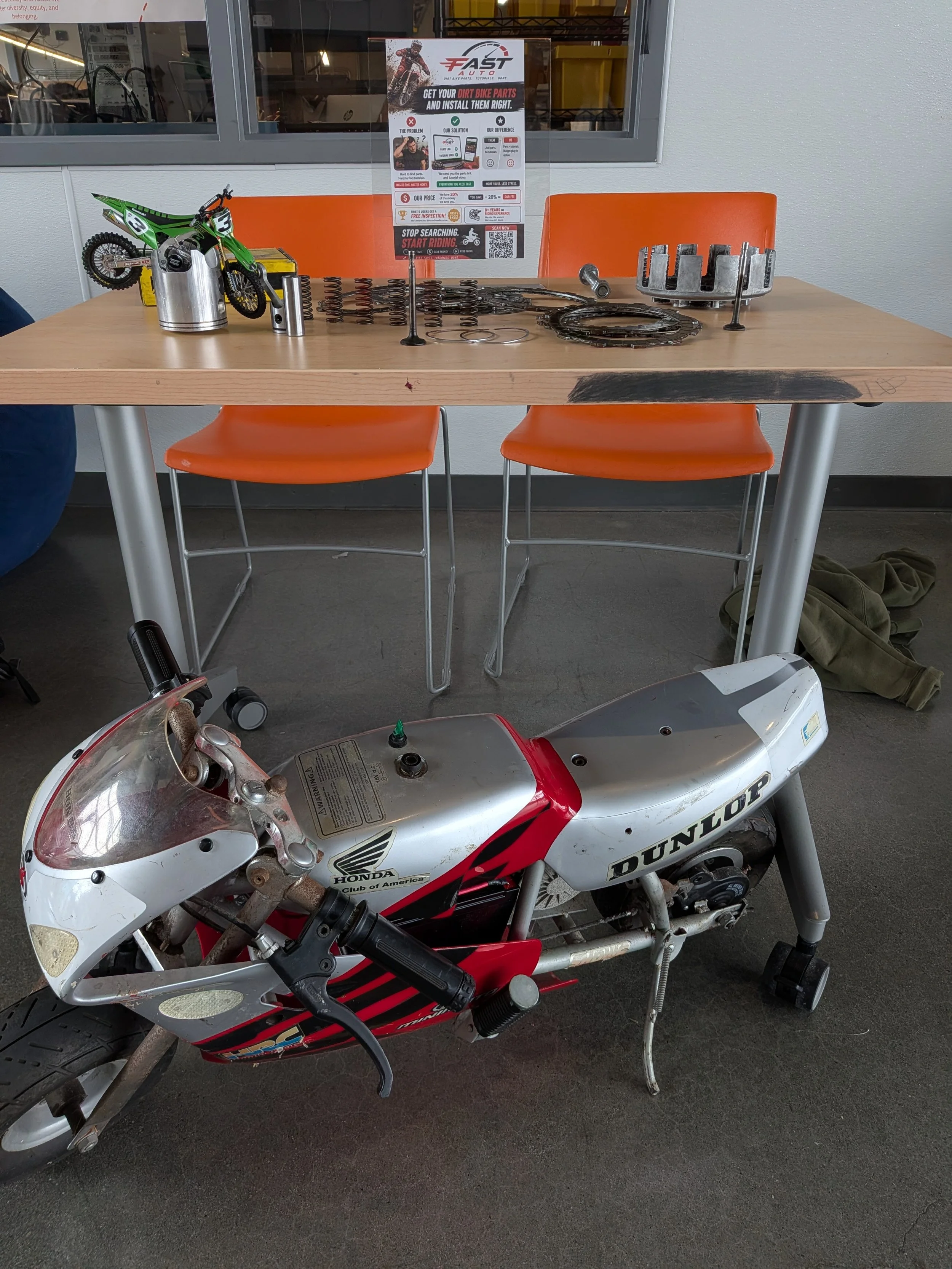
In large organizations, we tend to hire generalists. In a startup sprint, we prioritize the Trio. Every student team was built on a specific architecture: a Hacker (the builder), a Hipster (the designer/experience), and a Hustler (the sales lead).
The Lesson for You: Audit your current project teams. Do you have someone solely focused on the "sell," or is everyone getting bogged down in the "build"? If you don't have a clear Hustler, your project will stall in the lab.
2. Abandon the 50-Page Business Plan
We didn't write reports; we built a Lean Canvas. We looked at a student’s boot on a table and tasked teams with selling it right then and there. This forced immediate value propositioning without the safety net of a slide deck.
The Lesson for You: When launching a new initiative, stop looking for "perfection" and start looking for Market Readiness. What is the smallest version of your idea (the MVP) that can generate a real customer response today?
3. Leverage AI as a Force Multiplier, Not a Gimmick
Gen Z is not intimidated by AI; they use it as an execution engine. My students used AI to optimize LinkedIn profiles for college, synthesize local document searches, and even generate marketing copy in seconds. They didn't "study" AI; they integrated it.
The Lesson for You: If you are still "thinking about" how to use AI, you are already behind. Use it to handle your Operational Cardio—the high-volume, low-judgment tasks—so you can focus on high-stakes strategy and social impact.
4. Adopt the "Intersession" Mindset
At d.tech, "intersessions" allow students to dive deep into a single passion—from journalism to table tennis to entrepreneurship—unencumbered by a traditional schedule. This "freedom to learn" is what creates resilience.
The Lesson for You: When was the last time you gave your leadership team 48 hours of "uninterrupted sprint time"? Constant context-switching is the silent killer of innovation. To build something that scales, you must first create the space to build.
A Note on the Human Element

Teaching this program coincided with Teacher Appreciation Week, and it reinforced my awe for the academic and emotional labor teachers contribute. They work five times harder than the students to create the "scaffolding" required for success.
As a PhD-led strategist, I see a clear parallel in the C-suite: Your job as a leader isn't to do the work; it's to nurture the thriving ecosystem that enables your team to go above and beyond.
To my class of 19: thank you for the energy. Keeping up with you was a high-performance workout in its own right.
Are you ready to apply a "Sprint" mentality to your business growth?
I partner with executives and founders to help them sort through their thought processes and re-engineer their workflows for maximum efficiency. If you are ready to move from "frantic execution" to a position of calibrated power, let’s connect.
Book your strategy call here: