
The Invisible Cage: Are You Occupationally Conditioned?
The most profound career blocks don't stem from a lack of talent, a shifting economy, or a broken market. They stem from a silent, psychological phenomenon that alters how you think, decide, and act without you ever realizing it.
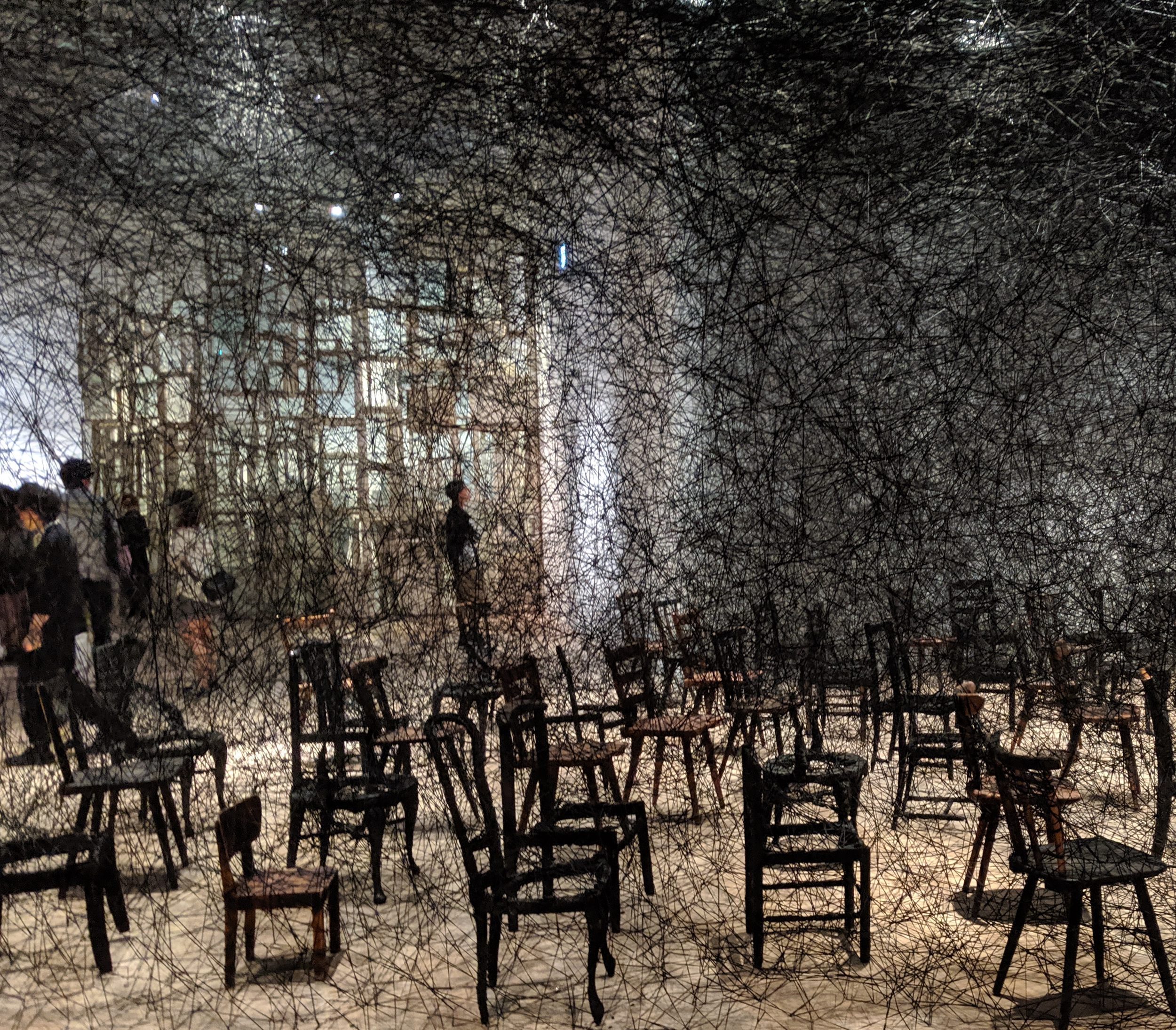
In organizational behavior, we call this occupational conditioning.
Occupational conditioning occurs when an individual becomes deeply habituated to thinking and behaving strictly in accordance with institutional structures. Corporate ecosystems are explicitly designed to minimize individual volatility. To achieve predictability, they reward compliance and execution while subtly penalizing autonomous initiative.
Over a multi-year corporate tenure, this structural environment actively trains out your professional edge. You are conditioned to stay beige, blending seamlessly into the corporate layout. But in a shifting, modern market, staying beige is an existential career risk. To cut above the noise, you must understand how this conditioning has flattened your unique texture, and how to reclaim your sovereignty.
3 Questions to Check If You Are in the Invisible Cage
To determine if institutional frameworks have subtly altered your professional identity, run this quick diagnostic audit:

1. When faced with an unstructured opportunity, do you immediately look for an existing template or corporate policy before taking the first step?
If you struggle to act without a pre-existing roadmap, your autonomous execution has been conditioned out of you.
2. Do you instinctively seek validation or sign-off from a manager or peer before finalizing a strategic direction?
If external consensus is a prerequisite for your internal confidence, your decision-making has been outsourced to the hierarchy.
3. Does your professional narrative focus entirely on the volume of tasks you executed, rather than the systems you designed?
If your resume reads like a list of standard responsibilities, you are marketing yourself as a functional coordinator rather than a strategic asset.
Breaking Free From The Sea Of Sameness

This conditioning creates a deep sense of security while you are inside the institution. However, when you attempt to pivot, transition roles, or scale a business, that external layout disappears. Suddenly, you are left in a structural void.
The strategy that made you successful inside a massive hierarchy—being a reliable, predictable gear in a larger machine—is the exact strategy that causes you to drown in a sea of sameness when you enter the open market. Traditional automated screening systems and executive recruiters don't look for beige. They look for texture.
To break out of this invisible cage and command attention in a crowded market, you must actively decondition your approach to work and shift three core progress pillars:
1. Shift Your Decision-Making from Permission to Conviction
The Block: You find yourself looking upward for permission, documenting everything for deniability, and waiting for external validation before making a move.
The Deconditioning Step: Shift your value metric from "execution cardio" to system design. Stop measuring your professional worth by the sheer volume of emails sent or trackers updated. Re-engineer your narrative around system design, highlighting how you manage human complexity, mitigate operational risk, and establish structure when everything around you is fluid.
2. Shift Your Resource Collation from Allocation to Radical Hustling
The Block: You operate strictly within pre-assigned budgets, wait for designated cross-functional teams to hand you data, and stall when internal resources are locked.
The Deconditioning Step: In a structured environment, you are handed resources. In an amorphous market, you must hunt for them. Do not wait for an organization to hand you a project plan or a definition of success. Independently gather the data, technology, and connections required to bridge the gap where existing systems break down.
3. Shift Your Action-Taking from Consensus to Intrinsic Routine
The Block: You execute only after collaborative consensus, explicit assignment, or a formal management sign-off loop.
The Deconditioning Step: When you lose an external corporate calendar, your momentum can stall completely because your action engine is used to external triggers. Avoid this trap by designing your own internal infrastructure. Divide your week into three non-negotiable focus buckets: Deep Research to maintain industry edge, High-Value Networking to build your social capital, and Strategic Creation to produce assets that visibly display your unique professional texture.
Reclaim Your Professional Edge

Occupational conditioning is an institutional byproduct, but it does not have to be your permanent reality. Recognizing where the system has flattened your perspective is the first major step toward reclaiming your career sovereignty.
The modern market no longer rewards those who wait for a playbook to be handed to them. True security comes from your ability to walk into an unmapped mess, collate your own resources, and architect your own path. It is time to step out of the sea of sameness, strip away the legacy expectations, and elevate your true capability.
Are you ready to dismantle your institutional conditioning and strategically design your next professional chapter?
I provide high-performance executive coaching and business strategy frameworks engineered for senior leaders, C-suite executives, and founders navigating complex career transitions. Let's talk about building your unique textured edge.