
The Empathy Premium: Why the Architecture of Fatherhood Is a C-Suite Asset
When we evaluate the traditional barriers to high-performance leadership, we often focus on structural strategy, market volatility, or technical scale. But for male executives, there is a silent, systemic pressure that actively flattens their leadership impact and limits their career capital: Identity Compartmentalization.
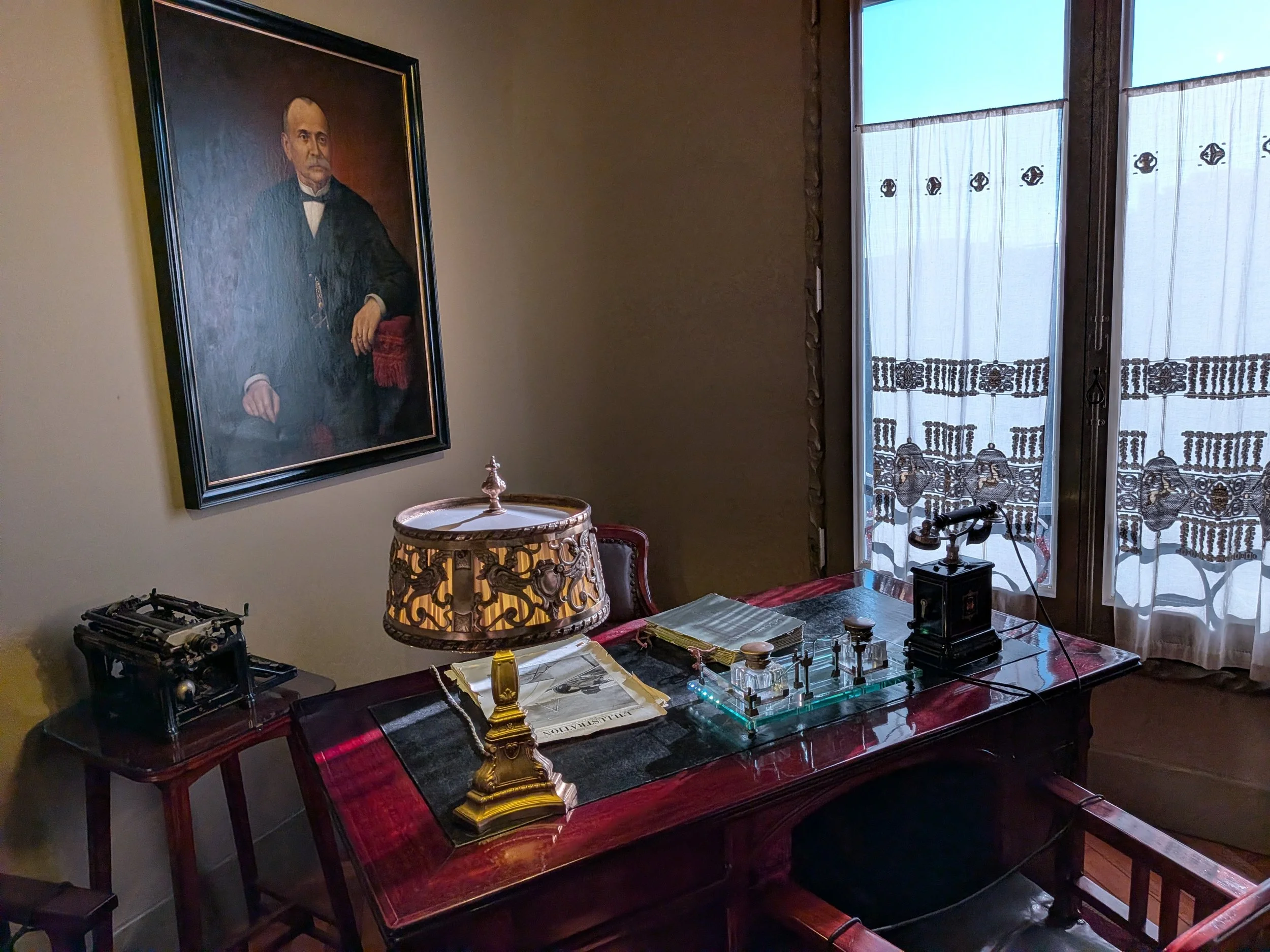
Society has long conditioned men to operate in rigid, hyper-segregated boxes. When you are at work, the unspoken institutional script demands that you leave your paternal identity at the door. You are expected to show up as a singular execution engine focused entirely on metrics, top-down directives, and linear output.
This professional conditioning forces men to stay beige, blending into a standardized corporate template that strips away their depth. It creates an artificial divide: men are told to be tough and directive at the office, while reserving their patience, emotional intelligence, and resilience strictly for the family structure at home.
This Father’s Day, it is time to dismantle this rigid segmentation. The modern market no longer rewards one-dimensional, transactional coordinators. True career sovereignty belongs to the multi-dimensional human who unapologetically brings his full texture into the boardroom.
How Does Fatherhood Impact Executive Leadership?
The professional skills developed through fatherhood, such as emotional intelligence, strategic patience, and psychological safety, directly improve executive performance by shifting a manager's style from directive compliance to transformational leadership, increasing employee retention and cross-functional team innovation.
The legacy playbook of the purely directive, detached male leader is not just outdated; it is actively penalized by verified models of organizational performance. When we look through the lens of established Organizational Behavior (OB) frameworks, the data heavily favors an integrated identity:

The Transformational Leadership Model: Decades of empirical research on leadership paradigms consistently show that transformational leadership (which relies heavily on individualized consideration and supportive mentoring) yields significantly higher employee commitment, operational performance, and innovation compared to purely transactional, directive management styles.
The Work-Family Enrichment Effect: Work-family research in organizational behavior demonstrates that experiences at home don't merely drain professional energy; they actively enrich it. The psychological capital, emotional regulation, and conflict-resolution skills developed through active parenting create a positive resource spillover, structurally enhancing an executive’s workplace decision-making and cognitive flexibility.
When male executives feel forced to suppress their natural nurturing and supportive capabilities at work, they don't just pay a personal tax; their organizations pay a performance tax.
Three Ways Male Leaders Can Apply the Architecture of Fatherhood to the C-Suite
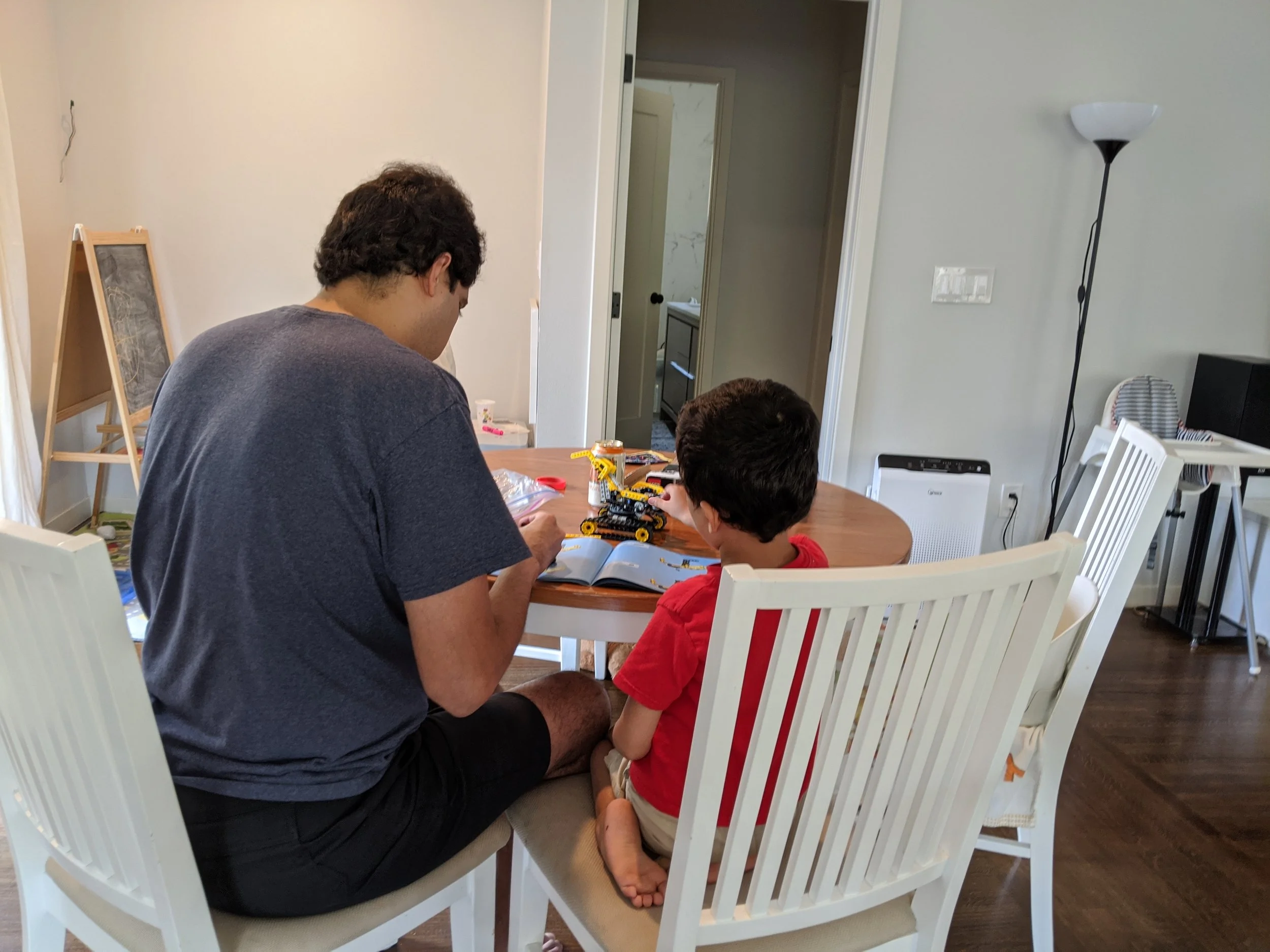
As a father, your primary mission is to build an environment where your children can grow into resilient, autonomous, and responsible human beings. You don't accomplish this through rigid compliance or constant micro-management; you achieve it through active resource collation, unwavering stability, and strategic patience.
Those exact capabilities represent the premium asset toolkit needed in today's amorphous corporate landscape. Here are three strategic ways to integrate your paternal texture into your executive identity:
1. Shift from a Directive Style to a Nurturing Leadership Framework
In a structured corporate layout, it is easy to default to the directive approach: giving orders, managing timelines, and checking boxes. But true organizational design mirrors great parenting. It requires a supportive, growth-oriented framework.
The Strategic Shift: Instead of asking your team, "Did you ship this volume today?" reframe your approach to look at the human systems beneath the execution. Ask: "What structural friction points are stalling your progress, and how can I help you unblock them?" When you transition from a manager who enforces compliance to an executive who builds capacity, you cultivate genuine accountability and independent grit within your teams.

2. Leverage Household Emotional Intelligence as Corporate Capital
The deep emotional intelligence, active listening, and conflict de-escalation you practice daily at home are not soft, auxiliary traits. They are high-stakes leadership competencies.
The Strategic Shift: Stop treating your empathetic capabilities as a private, domestic asset. When navigating intense corporate restructuring, boardroom misalignment, or team burnout, bring your full emotional resilience to the table. Acknowledging behavioral complexity and managing the human risk in a room is what differentiates an elite executive from a functional manager. It shows your true texture in a sea of beige sameness.
3. Transition from Task Allocation to Legacy Architecture
Inside corporate hierarchies, professionals are conditioned to measure their worth by immediate validation, like the next title, the next bonus, or the sheer volume of execution routines completed. Fatherhood inherently forces you to think in a completely different timeline: decades, generations, and legacy.
The Strategic Shift: Bring that long-term architectural view to your business strategy. Stop managing for the short-term transactional win and start designing systems, mentoring emerging talent, and building a corporate culture that outlasts your tenure. When your team sees that you are invested in their long-term professional sovereignty, you build an unbreakable foundation of trust and performance.
Standing Tall in Your Full Texture: A Note of Gratitude

To the male executives, founders, and leaders balancing the heavy cognitive load of corporate growth and family architecture: your parenting is not a distraction from your leadership; it is the very foundation of it.
I want to take a moment to express immense gratitude for the profound, often quiet contributions men make to both their workplaces and their homes. Balancing the pressure to scale a business or protect corporate stability while showing up with patience, warmth, and dedication for your children requires an extraordinary amount of grit. It is a massive juggling act, and the care you put into building your family infrastructure matters deeply.
You do not have to compromise your professional edge to be a present, nurturing father, nor do you have to hide your paternal wisdom to be respected in the C-suite. Real security doesn't come from fitting into a predefined, institutional cage. It comes from the grit to walk into any environment as a well-rounded, multidimensional individual, owning your story, and leading with absolute clarity.
This week, step out of the compartmentalized layout. Reclaim your full texture. The market, your organization, and your family are waiting for the whole leader to step forward.
Are you ready to dismantle your institutional conditioning, bridge the gap between your professional edge and personal values, and strategically design your next chapter?
I provide high-performance executive coaching and business strategy frameworks engineered for senior leaders, C-suite executives, and founders looking to build robust organizational architecture and true career sovereignty. Let's talk about partnering to unlock your full strategic potential.